



Somatostatin Receptor
SSTRs; SSTR
Somatostatin receptors (SSTR1, 2A and B, 3, 4 and 5) belong to the G protein coupled receptor family. Somatostatin receptors are expressed in a variety of human tumors, including most tumors of neuroendocrine origin, breast tumors, certain brain tumors, renal cell tumors, lymphomas, and prostate cancer. Somatostatin triggers cytostatic and cytotoxic effects and has a general inhibitory effect on secretion mediated through its interaction with somatostatin receptors.
The SSTRs 1-4 display weak selectivity for somatostatin-14 binding, whereas SSTR5 is somatostatin-28-selective. Based on structural similarity and reactivity for octapeptide and hexapeptide somatostatin receptor analogs, SSTRs 2, 3 and SSTR5 belong to a similar somatostatin receptor subclass; SSTRs 1-4 react poorly with these analogs and belong to a separate subclass. All five somatostatin receptors are functionally coupled to inhibition of adenylyl cyclase via pertussis toxin-sensitive guanosine triphosphate (GTP)-binding proteins. mRNA for SSTRs 1-5 is widely expressed in brain and peripheral organs and displays an overlapping but characteristic pattern that is subtype-selective and tissue- and species-specific. All pituitary cell subsets express SSTR2 and SSTR5, with SSTR5 being more abundant. Individual pituitary cells coexpress multiple somatostatin receptor subtypes.
Somatostatin Receptor Isoform Specific Products
All Product Categories
-
Somatostatin Receptor Inhibitors
(21)
View all products
-
Somatostatin Receptor Agonists
(58)
View all products
-
Somatostatin Receptor Antagonists
(31)
View all products
-
Somatostatin Receptor Activators
(5)
View all products
-
Somatostatin Receptor Modulators
(4)
View all products
-
Somatostatin Receptor Chemicals
(2)
View all products
-
Somatostatin Receptor Control
(1)
View all products
-
Somatostatin Receptor Ligands
(5)
View all products
-
Somatostatin Receptor Produits associés (157)
Produits associés (157)

-
Anticorps (10)
-
Somatostatin Receptor Isoform Comparison
-
Octreotide
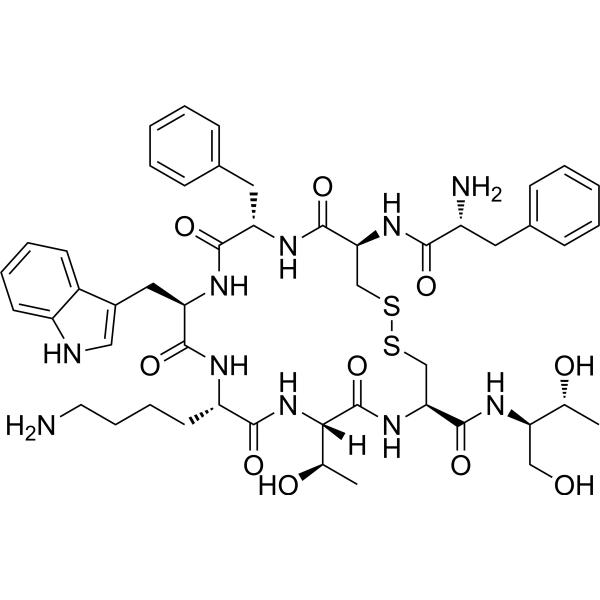 0 ImagesSynonyms: SMS 201-995Octreotide (SMS 201-995) is a somatostatin receptor agonist and synthetic octapeptide endogenous somatostatin analogue. Octreotide (SMS 201-995) can bind to the somatostatin receptor and mainly subtypes 2, 3, and 5, increases Gi activity, and reduces intracellular cAMP production. Octreotide (SMS 201-995) has antitumor activity, mediates apoptosis and may also be used in disease studies in acromegaly.
-
Cortistatin-14
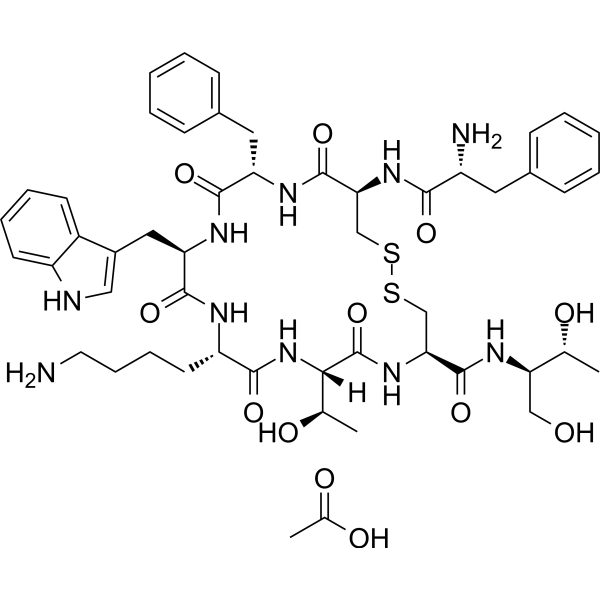
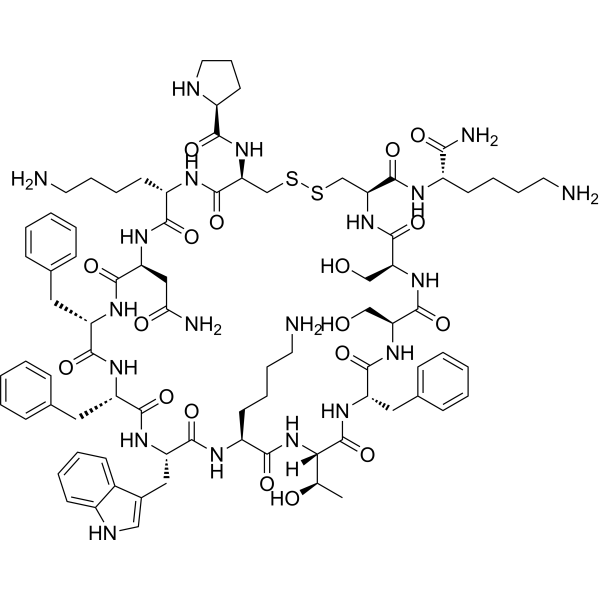 0 ImagesCortistatin-14 is a neuropeptide that shares structural similarities with somatostatin, working by binding to somatostatin receptors (sst1-sst5). Cortistatin-14 (TFA) has anticonvulsant, neuroprotective effects, and significant anti-inflammatory properties.
-
Pasireotide
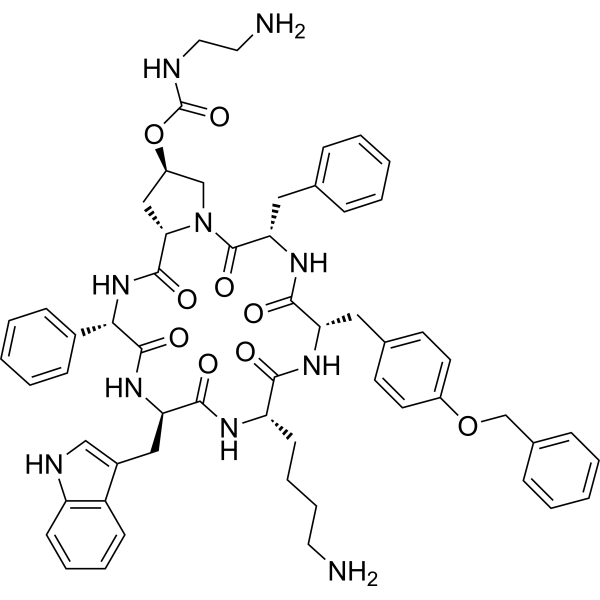 0 ImagesSynonyms: SOM230Pasireotide (SOM230), a long-acting cyclohexapeptide somatostatin analogue, can improve agonist activity at somatostatin receptors (subtypes sst1/2/3/4/5, pKi=8.2/9.0/9.1/<7.0/9.9, respectively). Pasireotide can suppress GH, IGF-I and ACTH secretion, indicating potential efficacy in acromegaly and Cushing's disease. Pasireotide also exhibits antisecretory, antiproliferative, and proapoptotic activity.
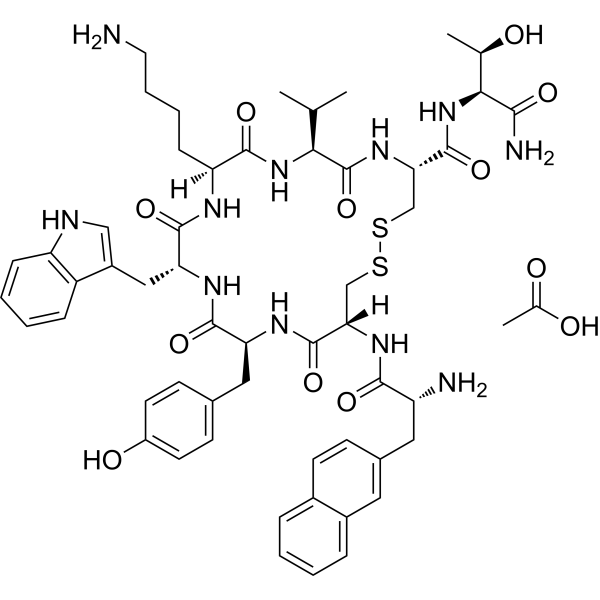
-
CH 275
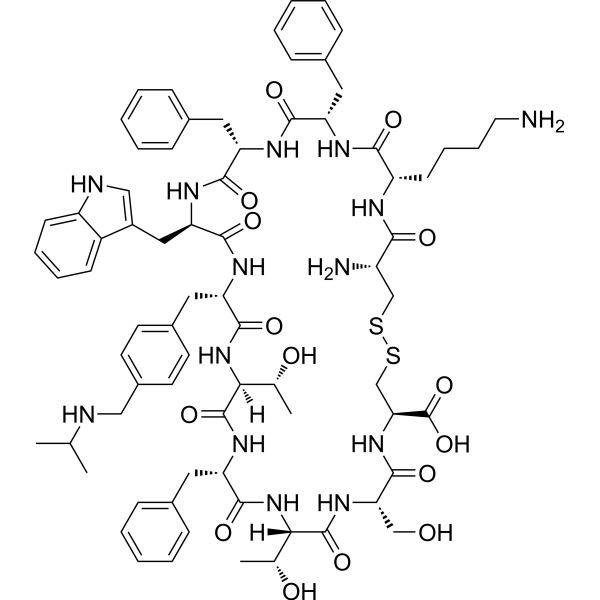 0 ImagesCH 275 is a peptidic somatostatin analog that acts as an agonist of SST1 (IC50 = 30.9 nM, Ki = 52 nM). The IC50 values of CH 275 for sst3, sst4, sst2, and sst5 are 345 nM, >1 μM, >10 μM, and >10 μM, respectively. CH 275 binds to SSTR1 via the IAmp9-Asp137 ion pair interaction and the hydrophobic interaction between the isopropyl group of IAmp9 and Leu107, and reduces the extracellular acidification rate. CH 275 induces weak sst1 internalization, exerts immunosuppressive effects on macrophages, and decreases macrophage viability, MCP-1 expression/secretion, and IL-8 secretion, but does not alter proMMP-9 secretion or IL-8 mRNA levels. CH 275 reduces hippocampal β-amyloid levels and alleviates plaque pathology without inducing hippocampal microglial activation. CH 275 is used in research on Alzheimer's disease, Parkinson's disease, and depression.
-
Cyclosomatostatin
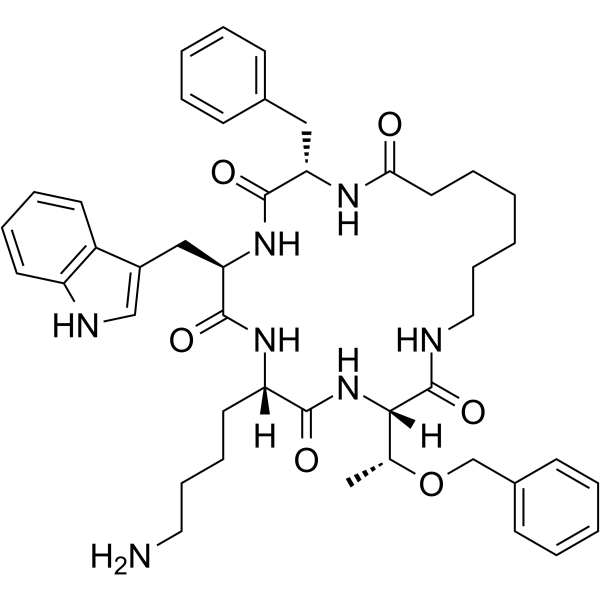 0 ImagesCyclosomatostatin is a non-selective somatostatin receptor antagonist that blocks SSTR1-5-mediated signaling. Cyclosomatostatin decreases the ALDH+ stem cell population and sphere formation without affecting cell viability, and reduces cell proliferation. Cyclosomatostatin activates opioid receptors. Cyclosomatostatin can be used for research on arthritis and colorectal cancer.
-
SSTR4 agonist 6
 0 ImagesCat. No.: HY-W1117589CAS No.: 2744188-17-6
-
CYN 154806
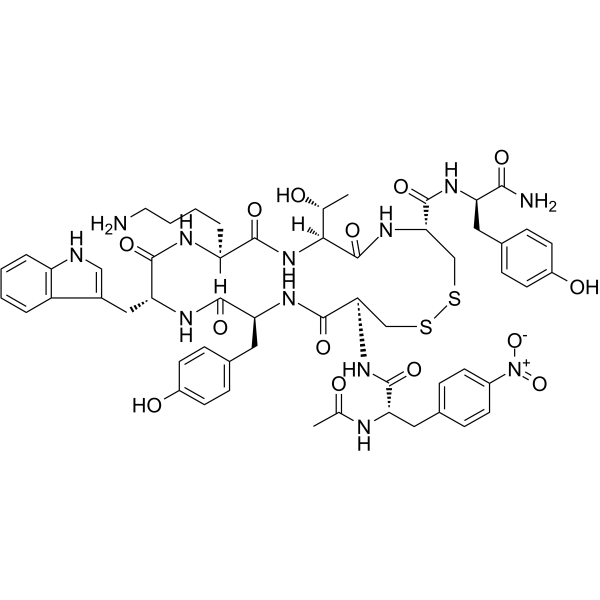 0 ImagesCYN 154806, a cyclic octapeptide, is a potent and selective somatostatin sst2 receptor antagonist, with pIC50 values of 8.58, 5.41, 6.07, 5.76 and 6.48 for human recombinant sst2, sst1, sst3, sst4 and sst5 receptors respectively.
-
Somatostatin-28 (sheep, human rat mouse)
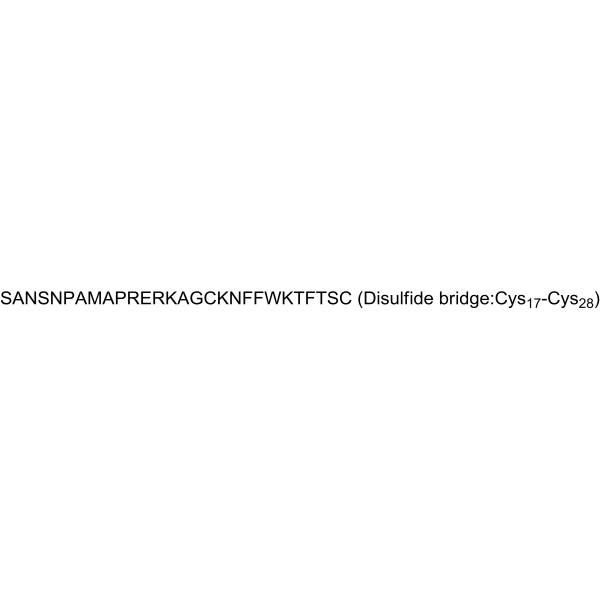 0 ImagesSomatostatin-28 (sheep, human rat mouse) is a biologically active polypeptide, synthesised in the proximal intestinal epithelial cells. Somatostatin-28 (sheep, human rat mouse) suppresses glucose-stimulated insulin secretion without affecting circulating basal insulin concentration. Somatostatin-28 (sheep, human rat mouse) also targets to somatostatin receptor subtype 5 (SSTR5) to regulate GLP-1 secretion.
-
DOTA-LM3
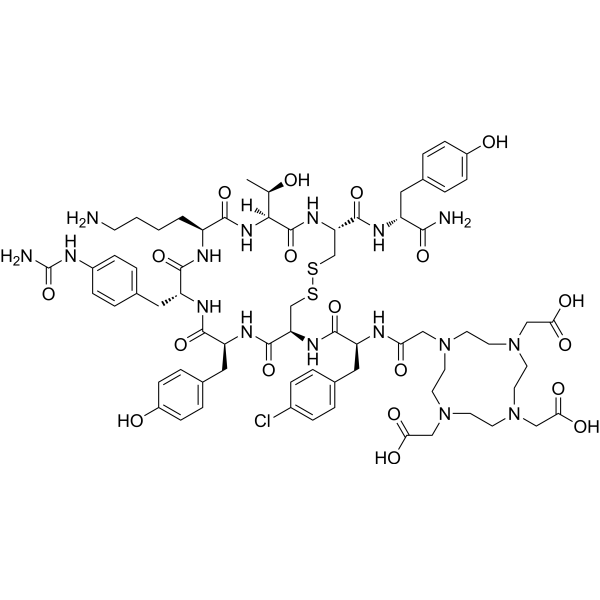 0 ImagesDOTA-LM3 is a somatostatin receptor (SSTR) antagonist. LM3 refers to p-Cl-Phe- cyclo(D-Cys-Tyr-D-4-amino-Phe(carbamoyl)-Lys-Thr-Cys)D-Tyr- NH2, as well as a somatostatin antagonist. DOTA-LM3 is often isotopically labeled for tracing tumors in vivo, such as 177Lu-DOTA-LM3 and 68 Ga-DOTA-LM3. 68 Ga-DOTA-LM3 shows favorable biodistribution, high tumor uptake, good tumor retention, and few safety concerns. 177Lu-DOTA-LM3 can be used for research in DOTATOC-negative liver metastases, such as pancreatic NET and extensive tumor thrombosis. DOTA-LM3 can be used for the synthesis/research of Radionuclide-Drug Conjugates (RDCs).
-
DOTA-JR11
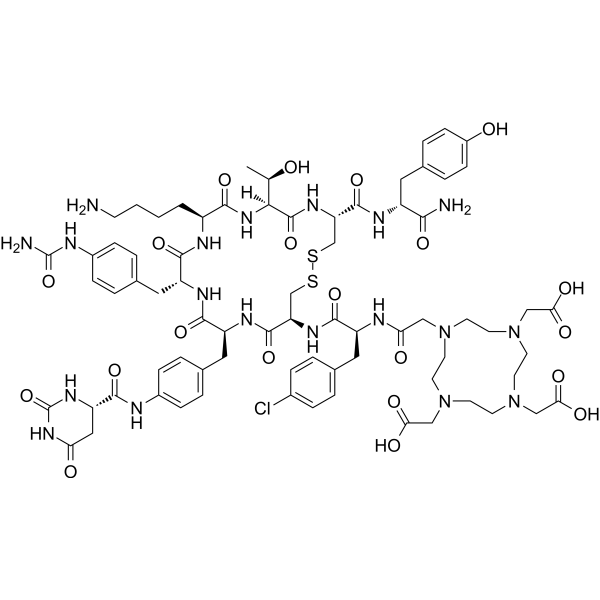 0 ImagesSynonyms: Satoreotide tetraxetanDOTA-JR11 is a somatostatin receptor 2 (SSTR2)antagonist. DOTA-JR11 can be labeled by 68Ga, used for paired imaging in neuroendocrine tumors (NETs) research. DOTA-JR11 can be used for the synthesis/research of Radionuclide-Drug Conjugates (RDCs).
-
J-2156 TFA
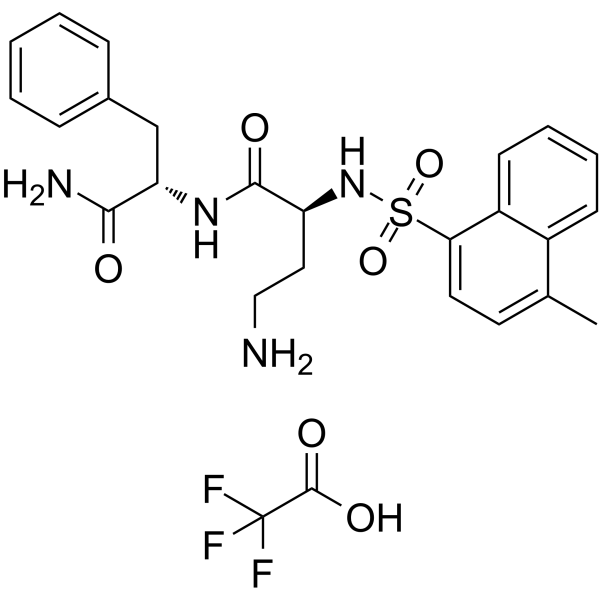 0 ImagesJ-2156 TFA is a high potent, selective somatostatin receptor type 4 (SST4 receptor) agonist with IC50s of 0.05 nM and 0.07 nM for human and rat SST4 receptors, respectively. J-2156 TFA has anti-inflammatory activity and it is used for the relief of mechanical allodynia and mechanical hyperalgesia in the ipsilateral hindpaws in rats.
-
Mazisotine
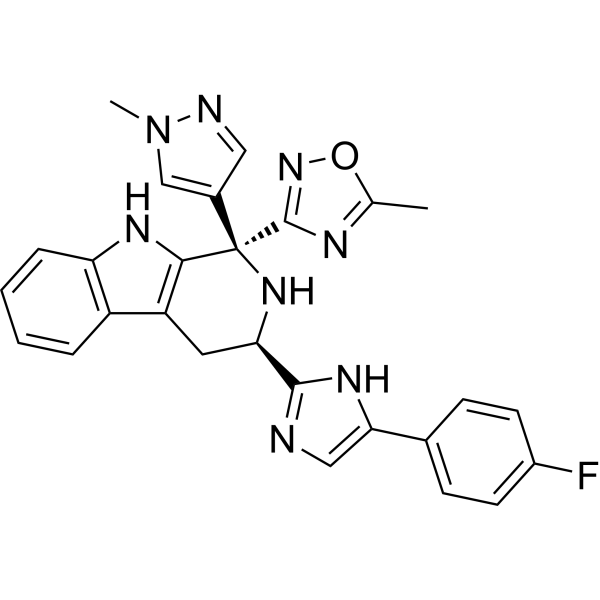
 0 ImagesSynonyms: LY3556050; CNTX-0290Mazisotine (CNTX-0290) is an orally active, non-opioid somatostatin receptor 4 (SSTR4) agonist with an EC50 of 4.7 nM. Mazisotine exerts significant analgesic effects in various nociceptive (inflammatory, osteoarthritic) and neuropathic pain models. Mazisotine can be used for pain research.
-
Cortistatin-14 TFA
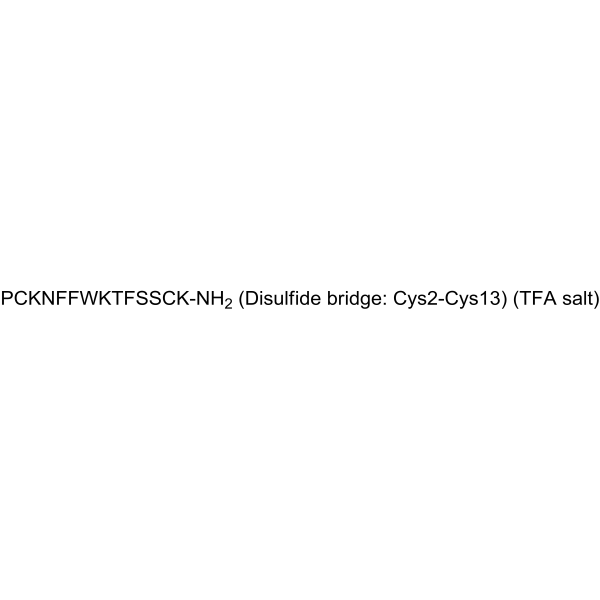 0 ImagesCat. No.: HY-P1932APureté: 99.99%Cortistatin-14 (TFA), a neuropeptide have structural similarity to somatostatin-14, binds and exerts its function via the somatostatin receptors (sst1-sst5). Cortistatin-14 (TFA) shows anticonvulsive, neuroprotective effect and remarkable anti-inflammatory properties.
-
Pasireotide acetate
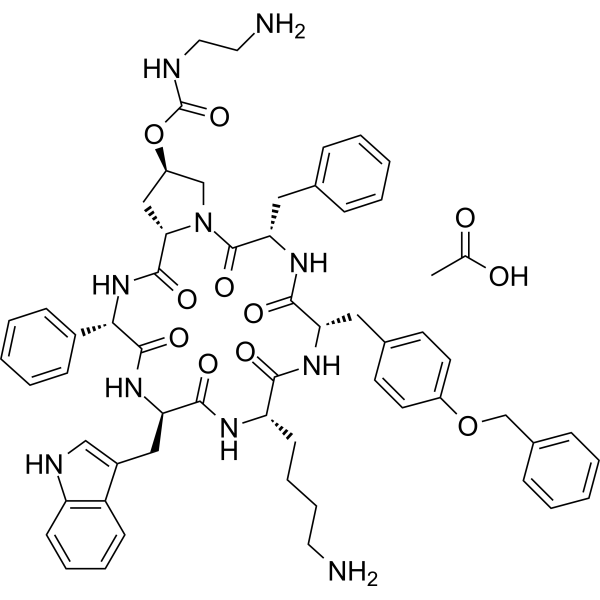 0 ImagesSynonyms: SOM230 acetatePasireotide (SOM230) acetate, a long-acting cyclohexapeptide somatostatin analogue, can improve agonist activity at somatostatin receptors (subtypes sst1/2/3/4/5, pKi=8.2/9.0/9.1/<7.0/9.9, respectively). Pasireotide acetate can suppress GH, IGF-I and ACTH secretion, indicating potential efficacy in acromegaly and Cushing's disease. Pasireotide acetate also exhibits antisecretory, antiproliferative, and proapoptotic activity.
-
Cortistatin 14 (mouse, rat)
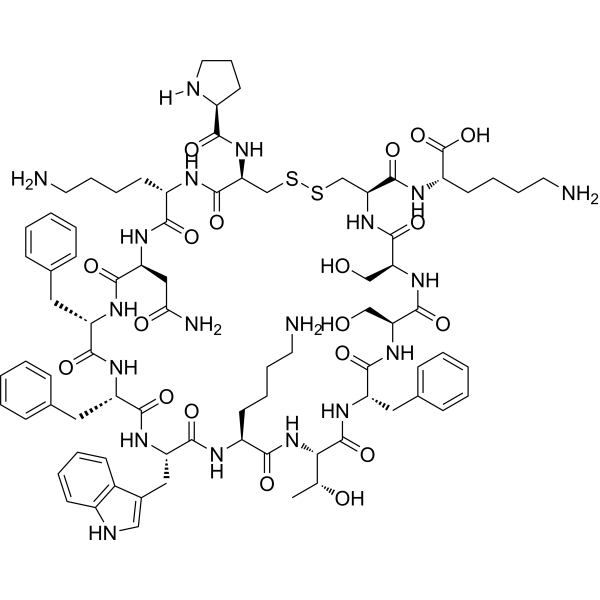 0 ImagesSynonyms: CST-14 (mouse, rat)Cortistatin 14, mouse, rat (CST-14, human, rat), a neuropeptide with neuronal depressant and sleep modulating properties, can bind to all five cloned somatostatin receptors (SSTRs) and ghrelin receptor to exert its biological activities and co-exists with GABA within the cortex and hippocampus.
-
Satoreotide
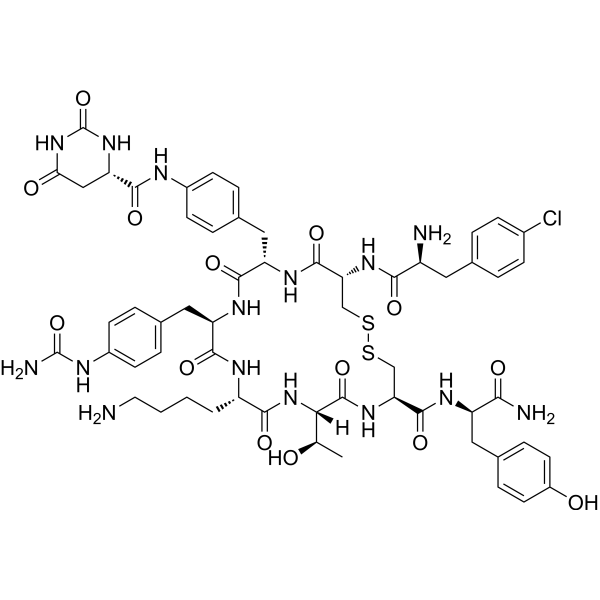 0 ImagesSynonyms: JR11Satoreotide (JR11) is a somatostatin receptor subtype 2 (sstr2)-selective antagonist. Satoreotide can be used as a PET imaging agent when labeled with 68Ga. Satoreotide can be used for cancer research.
-
SSTR5 antagonist 1
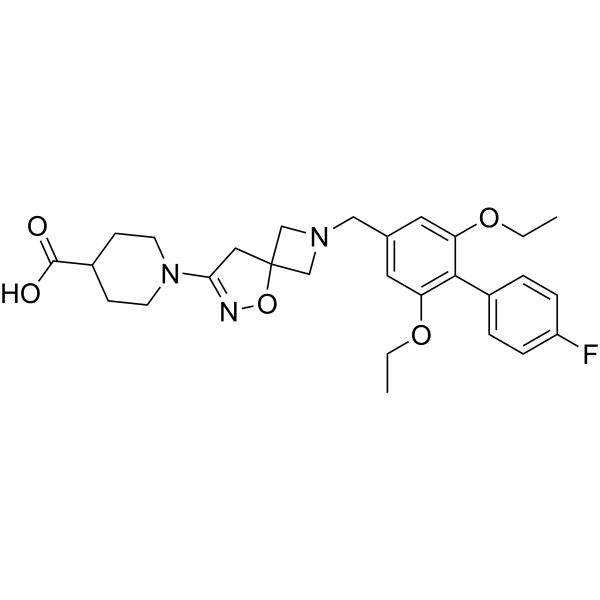 0 ImagesSSTR5 antagonist 1 (compound 25a) is a selective and orally available somatostatin receptor subtype 5 (SSTR5) antagonist with IC50s of 9.6 and 57 nM for hSSTR5 and mSSTR5, respectively.




